TSMC's Next-Generation Chip Technology for Apple Silicon on Schedule

Apple chipmaker TSMC is making progress toward manufacturing 2nm and 1.4nm chips that are likely destined for future generations of Apple silicon, DigiTimes reports.

apple silicon feature joeblue
The manufacturing time frames for mass production of 2nm and 1.4nm chips have now apparently been determined: Trial production of the 2nm node will begin at in the second half of 2024, with small-scale production ramping up in the second quarter of 2025. Notably, TSMC's new plant in Arizona will also join 2nm production efforts. In 2027, facilities in Taiwan will start to shift toward production of 1.4nm chips.

TSMC's first 1.4nm node is officially called "A14" and will follow its "N2" 2nm chips. N2 is scheduled for mass production in late 2025, to be followed by an enhanced "N2P" node in late 2026.

Historically, Apple is among the first companies to adopt new, state-of-the-art chip fabrication technologies. For example, it was the first company to utilize TSMC's 3nm node with the A17 Pro chip in the iPhone 15 Pro and ‌iPhone‌ 15 Pro Max, and Apple is likely to follow suit with the chipmaker's upcoming nodes. Apple's most advanced chip designs have historically appeared in the ‌iPhone‌ before making their way to the iPad and Mac lineups. With all of the latest information, here's how the ‌iPhone‌'s chip technology is expected to look going forward:

  • ‌iPhone‌ XR and XS (2018): A12 Bionic (7nm, N7)
  • ‌iPhone‌ 11 lineup (2019): A13 Bionic (7nm, N7P)
  • ‌iPhone‌ 12 lineup (2020): A14 Bionic (5nm, N5)
  • ‌iPhone‌ 13 Pro (2021): A15 Bionic (5nm, N5P)
  • ‌iPhone‌ 14 Pro (2022): A16 Bionic (4nm, N4P)
  • ‌iPhone‌ 15 Pro (2023): A17 Pro (‌3nm‌, N3B)
  • iPhone 16 Pro (2024): "A18" (‌3nm‌, N3E)
  • "iPhone 17 Pro" (2025): "A19" (2nm, N2)
  • "iPhone 18 Pro" (2026): "A20" (2nm, N2P)
  • "‌iPhone‌ 19 Pro" (2027): "A21" (1.4nm, A14)

The M1 series of Apple silicon chips is based on the A14 Bionic and uses TSMC's N5 node, while the M2 and M3 series use N5P and N3B, respectively. The Apple Watch's S4 and S5 chips use N7, the S6, S7, and S8 chips use N7P, and the latest S9 chip uses N4P.

Each successive TSMC node surpasses its predecessor in terms of transistor density, performance, and efficiency. Late last year, it emerged that TSMC had already demonstrated prototype 2nm chips to Apple ahead of their expected introduction in 2025.

Popular Stories

iOS 26

iOS 26.4 and iOS 27 Features Revealed in New Leak

Friday December 12, 2025 10:56 am PST by
Macworld's Filipe Espósito today revealed a handful of features that Apple is allegedly planning for iOS 26.4, iOS 27, and even iOS 28. The report said the features are referenced within the code for a leaked internal build of iOS 26 that is not meant to be seen by the public. However, it appears that Espósito and/or his sources managed to gain access to it, providing us with a sneak peek...
iOS 26

iOS 26.2 Coming Soon With These 8 New Features on Your iPhone

Thursday December 11, 2025 8:49 am PST by
Apple seeded the second iOS 26.2 Release Candidate to developers earlier this week, meaning the update will be released to the general public very soon. Apple confirmed iOS 26.2 would be released in December, but it did not provide a specific date. We expect the update to be released by early next week. iOS 26.2 includes a handful of new features and changes on the iPhone, such as a new...
iOS 26

Apple Releases iOS 26.2 With Alarms for Reminders, Lock Screen Changes, Enhanced Safety Alerts and More

Friday December 12, 2025 10:10 am PST by
Apple today released iOS 26.2, the second major update to the iOS 26 operating system that came out in September, iOS 26.2 comes a little over a month after iOS 26.1 launched. ‌iOS 26‌.2 is compatible with the ‌iPhone‌ 11 series and later, as well as the second-generation ‌iPhone‌ SE. The new software can be downloaded on eligible iPhones over-the-air by going to Settings >...
AirPods Pro Firmware Feature

Apple Releases New Firmware for AirPods Pro 2 and AirPods Pro 3

Thursday December 11, 2025 11:28 am PST by
Apple today released new firmware designed for the AirPods Pro 3 and the prior-generation AirPods Pro 2. The AirPods Pro 3 firmware is 8B30, up from 8B25, while the AirPods Pro 2 firmware is 8B28, up from 8B21. There's no word on what's include in the updated firmware, but the AirPods Pro 2 and AirPods Pro 3 are getting expanded support for Live Translation in the European Union in iOS...
macOS Tahoe 26 Thumb

Apple Releases macOS Tahoe 26.2 With Edge Light

Friday December 12, 2025 10:08 am PST by
Apple today released macOS Tahoe 26.2, the second major update to the macOS Tahoe operating system that came out in September. macOS Tahoe 26.2 comes five weeks after Apple released macOS Tahoe 26.1. Mac users can download the macOS Tahoe update by using the Software Update section of System Settings. macOS Tahoe 26.2 includes Edge Light, a feature that illuminates your face with soft...
AirTag 2 Mock Feature

Apple AirTag 2: Four New Features Found in iOS 26 Code

Thursday December 11, 2025 10:31 am PST by
The AirTag 2 will include a handful of new features that will improve tracking capabilities, according to a new report from Macworld. The site says that it was able to access an internal build of iOS 26, which includes references to multiple unreleased products. Here's what's supposedly coming: An improved pairing process, though no details were provided. AirTag pairing is already...
ipados 26 1 slide over

Apple Releases iPadOS 26.2 With Multitasking Improvements

Friday December 12, 2025 10:09 am PST by
Apple today released iPadOS 26.2, the second major update to the iPadOS 26 operating system released in September. iPadOS 26.2 comes a month after iPadOS 26.1. The new software can be downloaded on eligible iPads over-the-air by going to Settings > General > Software Update. iPadOS 26.2 continues with the multitasking improvements that were added with iPadOS 26.1. You can now drag and...
bug security vulnerability issue fix larry

Update Now: iOS 26.2 Fixes 20+ Security Vulnerabilities

Friday December 12, 2025 11:11 am PST by
Apple today released iOS 26.2, iPadOS 26.2, and macOS 26.2, all of which introduce new features, bug fixes, and security improvements. Apple says that the updates address over 20 vulnerabilities, including two bugs that are known to have been actively exploited. There are a pair of WebKit vulnerabilities that could allow maliciously crafted web content to execute code or cause memory...

Top Rated Comments

vegetassj4 Avatar
22 months ago
If a speedometer measures speed, then a nanometer measures nan…. Grandmas? Flatbread?


https://dictionary.cambridge.org/us/dictionary/english/nan[Click to view video attachment]
Score: 8 Votes (Like | Disagree)
Anaxarxes Avatar
22 months ago

If I understood it correctly the "x nm" is just arbitrary and not an actual size? What comes after?


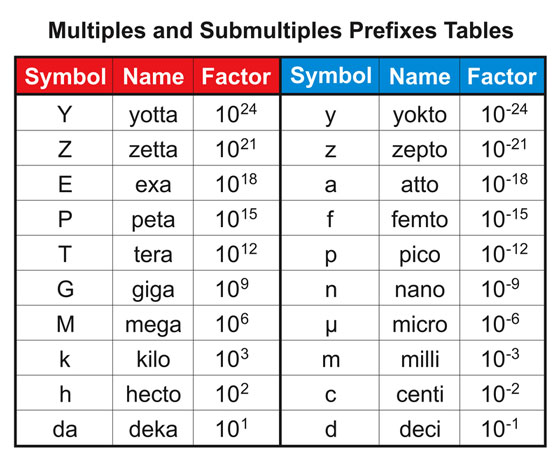
but for tech nodes, after nm we'll see Angstrom (100pm) as the unit
Score: 6 Votes (Like | Disagree)
AgeOfSpiracles Avatar
22 months ago

The whole thing is stupid... Angstroms (0.1 nm) follow, or picometres (0.001 nm). But since, as you say, the label is arbitrary they may as well call the next one 38.287 seconds. It all means nothing.
If MR included this caveat at the top of every article on the subject, do you suppose that people would still make this comment? Probably.
Score: 6 Votes (Like | Disagree)
Nimrad Avatar
22 months ago
If I understood it correctly the "x nm" is just arbitrary and not an actual size? What comes after?
Score: 4 Votes (Like | Disagree)
MayaUser Avatar
22 months ago

If I understood it correctly the "x nm" is just arbitrary and not an actual size? What comes after?
yes, its just marketing like M1 M2 M3...all words are invented. but that said it doesnt mean we will not get a lot more transistors , more efficient SoC or keep the same efficiency but go for pure performance only
From this M3 to the M7, we will see a big difference no matter the nm marketing
Score: 3 Votes (Like | Disagree)
bradman83 Avatar
22 months ago

If I understood it correctly the "x nm" is just arbitrary and not an actual size? What comes after?
Within the same company the labels provide a useful description of the miniaturization over the prior generation; the jump from 2nm from 3nm for TSMC's process would result in about a 33% increase in miniaturization and transistor density.

That said you are correct that it's all just marketing. Different processes from different companies have different transistor densities. Intel's 10nm process node is widely believed to be comparable to TSMC's 7nm node, for example (hence why Intel started calling their refreshed 10nm process as Intel 7).

The next marketing term is Angstrom; 10 Angstroms = 1 nanometer
Score: 3 Votes (Like | Disagree)