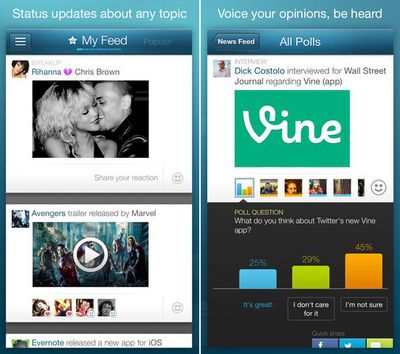
Google has bought aggregation and summarization startup Wavii for more than $30 million, winning a bidding war with Apple over the firm. TechCrunch is reporting that Apple wanted to integrate the company with its Siri division.
Both Apple and Google were competing for the Seattle-based startup, and Google eventually won. Apple wanted the company, which developed its own aggregation technology and natural summarizaton algorithms, for its Siri division. The 25-person-strong team including founder Adrian Aoun will be moving down from Seattle to join Google’s Knowledge Graph division.
With more than $135 billion in cash, the $30 million price tag would not have been a significant outlay for Apple, but it appears the company did not value Wavii enough to outbid Google. Wavii had raised $2 million in venture funding.
Apple is expected to unveil iOS 27 during its WWDC 2026 keynote on June 8, and there are already many rumored features and changes for iPhones.
The first developer beta of iOS 27 will likely be available immediately following the keynote, and a public beta typically follows in July. Following beta testing, the software update should be released to all users with a compatible iPhone in...
Apple today released a new Pride Edition Sport Loop for the Apple Watch. The band features a rainbow design with 11 colors of woven nylon yarns.
The new Pride Edition Sport Loop is available to order now on Apple.com and in the Apple Store app in 40mm, 42mm, and 46mm sizes, and it will be available at Apple Store locations starting later this week. In the U.S., the band costs $49.
There...
iOS 26.5 is expected to be released next week, following more than a month of beta testing. The update is relatively minor, but there are a couple of new features and changes across the operating system that we have recapped below.
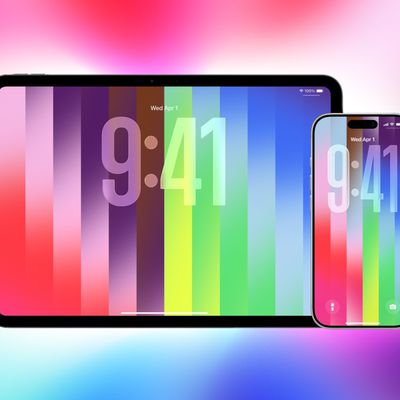
iOS 26.5 lays the groundwork for end-to-end encryption for RCS in the Messages app and ads in the Apple Maps app, and it will include a new Pride wallpaper and a...
It's pretty clear the $30m threshold is the point at which Apple could author their own code to match the functionality
Except Apple has proven time and time again that they're too cheap to hire more engineers to actually keep dedicated resources on projects, and instead shuffle teams around and let products wither on the vine (currently see: iWork, iLife, Aperture, etc.)


 Google has bought aggregation and summarization startup Wavii for more than $30 million, winning a bidding war with Apple over the firm. TechCrunch is reporting that Apple wanted to integrate the company with its Siri division.