Thunderbolt Adoption Reportedly Slowed by Intel's Licensing and Certification, But Improvements Coming
Last July, Ars Technica took a look at the state of the Thunderbolt standard developed by Apple and Intel, noting that adoption remained slow amid high pricing some eighteen months after the standard's introduction. The report did, however, suggest that pricing could begin to improve in 2013 as the next generation of Thunderbolt chips hit the market.
Ars Technica has now published a follow-up report looking at how things have changed over the past six months, pointing to a number of improvements such as slightly lower pricing on Thunderbolt cables from Apple, the introduction of the first wave of optical cables supporting the standard, and the launch of new docking stations and other peripherals taking advantage of Thunderbolt.
The report indicates that the biggest holdup to wider adoption of Thunderbolt appears to be Intel's licensing and certification process, with the company dedicating only limited resources to helping third-party vendors bring their Thunderbolt products to market.
Several vendors we have spoke to over the past year have claimed that Intel was holding up the process, cherry picking which vendors it worked with.
Though Intel had effectively denied this characterization in the past, the company explained the situation a bit differently when we spoke at CES last week. Jason Ziller, Director of Thunderbolt Marketing & Planning at Intel, told Ars that Intel has "worked closely" with vendors it felt could "offer the best products" and could meet its stringent "certification requirements." The subtext seemed to be that Intel had limited resources to support and certify new products, and so it gave priority to devices that were perhaps more novel than those proposed by other makers.
Ziller indicated that Intel would be broadening its efforts this year, suggesting that more Thunderbolt products may be able to make their way into consumers' hands. Combining those efforts with continued cost drops and the first moves into Windows machines, Apple and Intel are undoubtedly hoping that 2013 will finally see Thunderbolt turn the corner.
Popular Stories
Macworld's Filipe Espósito today revealed a handful of features that Apple is allegedly planning for iOS 26.4, iOS 27, and even iOS 28.
The report said the features are referenced within the code for a leaked internal build of iOS 26 that is not meant to be seen by the public. However, it appears that Espósito and/or his sources managed to gain access to it, providing us with a sneak peek...
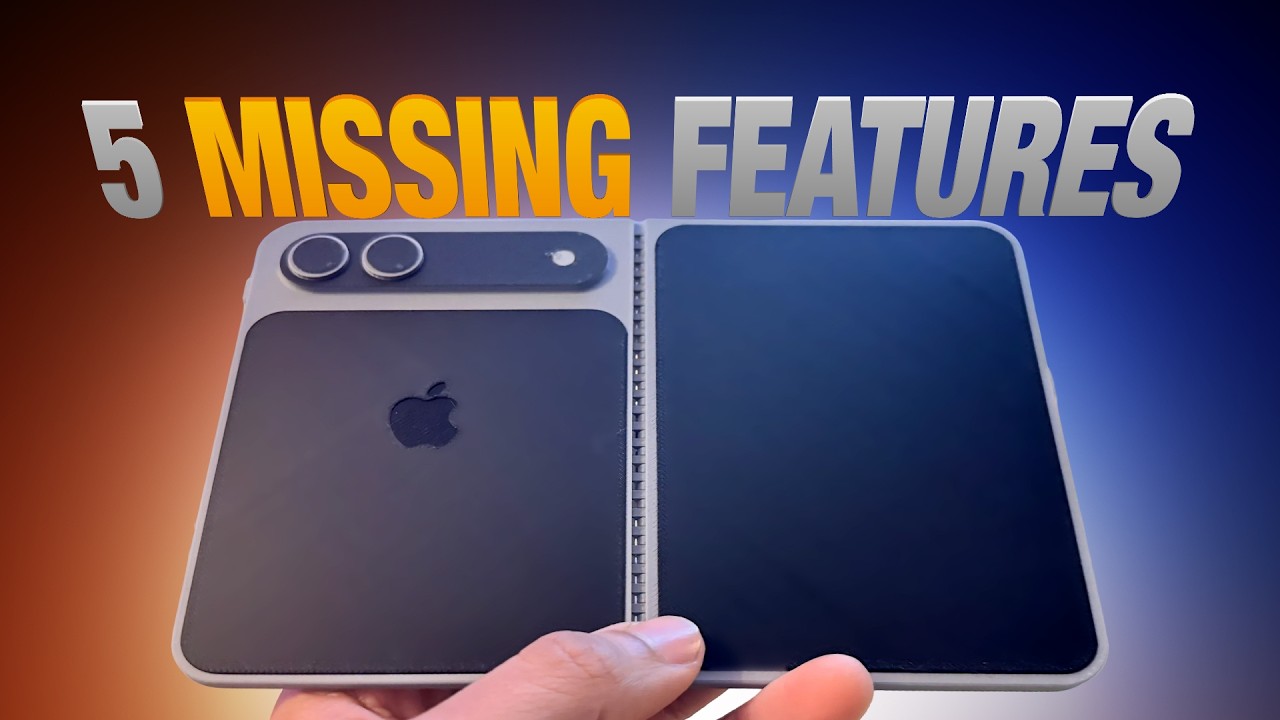
The first foldable iPhone will feature a series of design and hardware firsts for Apple, according to details shared by the Weibo leaker known as Digital Chat Station.
According to a new post, via machine translation, Apple is developing what the leaker describes as a "wide foldable" device, a term used to refer to a horizontally oriented, book-style foldable with a large internal display....
Apple today released iOS 26.2, the second major update to the iOS 26 operating system that came out in September, iOS 26.2 comes a little over a month after iOS 26.1 launched. iOS 26.2 is compatible with the iPhone 11 series and later, as well as the second-generation iPhone SE.
The new software can be downloaded on eligible iPhones over-the-air by going to Settings >...
Apple seeded the second iOS 26.2 Release Candidate to developers earlier this week, meaning the update will be released to the general public very soon.
Apple confirmed iOS 26.2 would be released in December, but it did not provide a specific date. We expect the update to be released by early next week.
iOS 26.2 includes a handful of new features and changes on the iPhone, such as a new...
Apple today released macOS Tahoe 26.2, the second major update to the macOS Tahoe operating system that came out in September. macOS Tahoe 26.2 comes five weeks after Apple released macOS Tahoe 26.1.
Mac users can download the macOS Tahoe update by using the Software Update section of System Settings.
macOS Tahoe 26.2 includes Edge Light, a feature that illuminates your face with soft...
Apple today released new firmware designed for the AirPods Pro 3 and the prior-generation AirPods Pro 2. The AirPods Pro 3 firmware is 8B30, up from 8B25, while the AirPods Pro 2 firmware is 8B28, up from 8B21.
There's no word on what's include in the updated firmware, but the AirPods Pro 2 and AirPods Pro 3 are getting expanded support for Live Translation in the European Union in iOS...
Apple released the AirPods Max on December 15, 2020, meaning the over-ear headphones launched five years ago today. While the AirPods Max were updated with a USB-C port and new color options last year, followed by support for lossless audio and ultra-low latency audio this year, the headphones lack some of the features that have been introduced for newer generations of the regular AirPods and the ...
Last week, details about unreleased Apple devices and future iOS features were shared by Macworld. This week, we learned where the information came from, plus we have more findings from the leak.
As it turns out, an Apple prototype device running an early build of iOS 26 was sold, and the person who bought it shared the software. The OS has a version number of 23A5234w, and the first...