Eddy Cue Explains Why Apple TV+ is Now Apple TV
On the latest episode of The Town podcast, Apple's services chief Eddy Cue explained why the company decided to rename Apple TV+ to Apple TV.
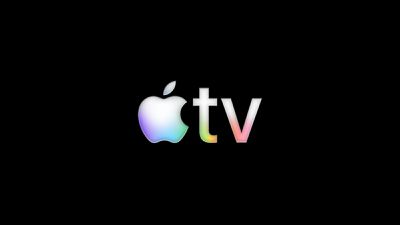
According to Cue, many people already referred to Apple TV+ as Apple TV, so the company finally decided to embrace the simpler name.
"We just decided," he told host Matthew Belloni.
"We all called it Apple TV and we said, given where we are today, it's a great time to do it," added Cue. Launched on November 1, 2019, Apple's streaming service is now well established, and it offers a growing library of award-winning series.
Nonetheless, the new name may cause confusion, as there is now an Apple TV streaming service, an Apple TV app, and Apple TV hardware.
Cue argued that the Apple TV box is actually named the Apple TV 4K nowadays.
"Our hardware is called Apple TV 4K for your TV," he said. "I think that's fine, and the app is called Apple TV. It's been called Apple TV on our third-party products as well, so I don't think that'll be a problem at all."
The new name has yet to appear in most places, but the changeover should happen soon.
Cue's comments were first reported by 9to5Mac's Zac Hall.

Popular Stories
Macworld's Filipe Espósito today revealed a handful of features that Apple is allegedly planning for iOS 26.4, iOS 27, and even iOS 28.
The report said the features are referenced within the code for a leaked internal build of iOS 26 that is not meant to be seen by the public. However, it appears that Espósito and/or his sources managed to gain access to it, providing us with a sneak peek...
Software from an iPhone prototype running an early build of iOS 26 leaked last week, giving us a glimpse at future Apple devices and iOS features. We recapped device codenames in our prior article, and now we have a list of some of the most notable feature flags that were found in the software code.
In some cases, it's obvious what the feature flags are referring to, while some are more...
Last week, details about unreleased Apple devices and future iOS features were shared by Macworld. This week, we learned where the information came from, plus we have more findings from the leak.
As it turns out, an Apple prototype device running an early build of iOS 26 was sold, and the person who bought it shared the software. The OS has a version number of 23A5234w, and the first...
The first foldable iPhone will feature a series of design and hardware firsts for Apple, according to details shared by the Weibo leaker known as Digital Chat Station.
According to a new post, via machine translation, Apple is developing what the leaker describes as a "wide foldable" device, a term used to refer to a horizontally oriented, book-style foldable with a large internal display....
Apple is testing iOS 26.3, the next version of iOS 26 that will launch around January. Since iOS 26.3's testing is happening over the holidays, it is a smaller update with fewer features than we've seen in prior betas.
We've rounded up what's new so far, and we'll add to our list with subsequent betas if we come across any other features.
Transfer to Android
Apple is making it simpler...
Apple today released iOS 26.2, the second major update to the iOS 26 operating system that came out in September, iOS 26.2 comes a little over a month after iOS 26.1 launched. iOS 26.2 is compatible with the iPhone 11 series and later, as well as the second-generation iPhone SE.
The new software can be downloaded on eligible iPhones over-the-air by going to Settings >...
Apple seeded the second iOS 26.2 Release Candidate to developers earlier this week, meaning the update will be released to the general public very soon.
Apple confirmed iOS 26.2 would be released in December, but it did not provide a specific date. We expect the update to be released by early next week.
iOS 26.2 includes a handful of new features and changes on the iPhone, such as a new...
Apple released the AirPods Max on December 15, 2020, meaning the over-ear headphones launched five years ago today. While the AirPods Max were updated with a USB-C port and new color options last year, followed by support for lossless audio and ultra-low latency audio this year, the headphones lack some of the features that have been introduced for newer generations of the regular AirPods and the ...