This year's iPhone 17 Pro models will feature a smaller main camera sensor than the one used in the Fusion camera currently found in iPhone 16 Pro models, according to Weibo-based leaker Digital Chat Station.
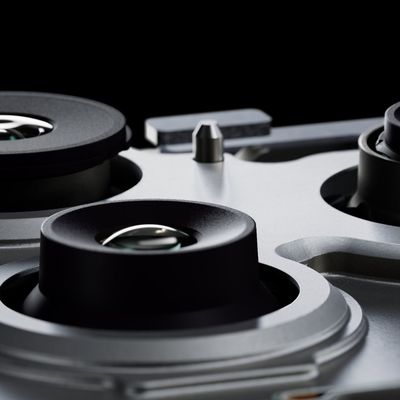
The Chinese leaker claims that Apple will adopt a 1/1.3" sensor for the 48MP main camera in the iPhone 17 Pro and iPhone 17 Pro Max, down from the 1/1.28" sensor used in the iPhone 16 Pro models. The claim is part of a wider leak allegedly revealing that both iPhone 17 Pro models will have three 48MP cameras for the first time.
The sensor size notation originates from an old system used for video camera tubes, where the fraction represents the sensor's "type" rather than its actual physical dimensions. That's why a 1/1.3" sensor is slightly smaller than a 1/1.28" sensor. (For comparison's sake, the 48MP Fusion camera on the standard iPhone 16 model uses a smaller 1/1.56" sensor.)
The difference however is minimal, with the existing 1/1.28" sensor offering a marginally larger surface area than a 1/1.3" sensor. In practical terms, this size difference is unlikely to result in a noticeable impact on everyday photography. Apple's shift to using a smaller main camera could represent a worthwhile trade-off, with potential advancements elsewhere in the camera system to maintain or enhance overall performance.
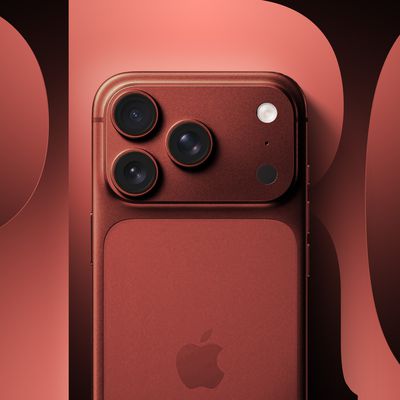
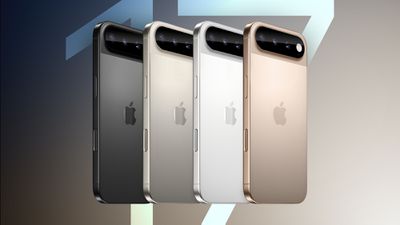
If the downgrade is true, Apple's shift from 1/1.28" to 1/1.3" could be due to space constraints caused by the rumored new camera bump design. As part of a return to using aluminum, Apple is believed to be using a larger rectangular-style camera bump on the iPhone 17 Pro models that is made from aluminum rather than glass.
Supply chain leaks have backed up a report by The Information about a camera design change. Leaks coming out of China suggest that the module is an "elongated oval shape," rather than a rectangular shape, with a smoother transition between the camera bump and the rear cover. The iPhone 17 series is expected to arrive around the usual mid-September time frame.