FCC Fines AT&T, T-Mobile and Verizon Almost $200 Million for Illegally Sharing Customer Location Data
The United States Federal Communications Commission (FCC) today announced [PDF] that it has fined AT&T, Verizon, and Sprint/T-Mobile $196 million collectively for illegally selling access to customer location information without consent.
Sprint and T-Mobile (now merged into T-Mobile) have been fined $12 million and $80 million, respectively. Verizon has been fined almost $47 million, and AT&T has been fined more than $57 million.
The FCC first began investigating the four major U.S. carriers in 2019 after they were found selling real-time location information from customer devices to third-party data aggregators, which led to that location data being sold a second time to private investigators, bounty hunters, law enforcement agencies, credit card companies, and more.
Following the investigation, the FCC confirmed that wireless carriers had violated federal law by sharing consumer location data. Fines were proposed back in 2020, but carriers were given an opportunity to provide evidence and legal arguments against the decision before the fines were formally imposed.
The fines vary based on the length of time that each carrier sold access to customer location information without safeguards, and the number of entities that were provided access. The FCC determined that carriers were obligated to protect the personal information of their customers, which they did not do.
"Our communications providers have access to some of the most sensitive information about us. These carriers failed to protect the information entrusted to them. Here, we are talking about some of the most sensitive data in their possession: customers' real-time location information, revealing where they go and who they are," said FCC Chairwoman Jessica Rosenworcel. "As we resolve these cases - which were first proposed by the last Administration - the Commission remains committed to holding all carriers accountable and making sure they fulfill their obligations to their customers as stewards of this most private data."
The four carriers had different practices, but each carrier relied on contract-based assurances that the data aggregators purchasing the real-time location information would get consent from customers before accessing their location, which did not happen. Even after learning that data was being misused in this way, the FCC says the carriers "continued to sell access to location information without taking reasonable measures to protect it from unauthorized access."

Popular Stories
Macworld's Filipe Espósito today revealed a handful of features that Apple is allegedly planning for iOS 26.4, iOS 27, and even iOS 28.
The report said the features are referenced within the code for a leaked internal build of iOS 26 that is not meant to be seen by the public. However, it appears that Espósito and/or his sources managed to gain access to it, providing us with a sneak peek...
Last week, details about unreleased Apple devices and future iOS features were shared by Macworld. This week, we learned where the information came from, plus we have more findings from the leak.
As it turns out, an Apple prototype device running an early build of iOS 26 was sold, and the person who bought it shared the software. The OS has a version number of 23A5234w, and the first...
Software from an iPhone prototype running an early build of iOS 26 leaked last week, giving us a glimpse at future Apple devices and iOS features. We recapped device codenames in our prior article, and now we have a list of some of the most notable feature flags that were found in the software code.
In some cases, it's obvious what the feature flags are referring to, while some are more...
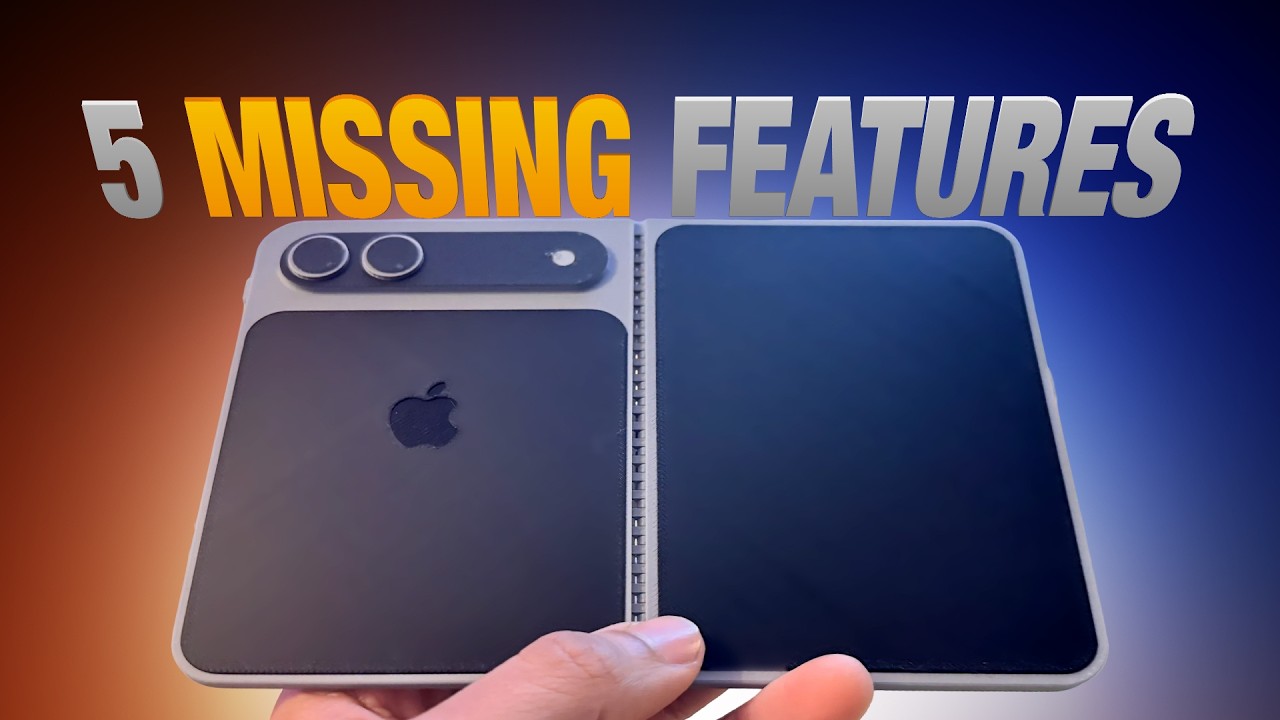
The first foldable iPhone will feature a series of design and hardware firsts for Apple, according to details shared by the Weibo leaker known as Digital Chat Station.
According to a new post, via machine translation, Apple is developing what the leaker describes as a "wide foldable" device, a term used to refer to a horizontally oriented, book-style foldable with a large internal display....
Apple today released iOS 26.2, the second major update to the iOS 26 operating system that came out in September, iOS 26.2 comes a little over a month after iOS 26.1 launched. iOS 26.2 is compatible with the iPhone 11 series and later, as well as the second-generation iPhone SE.
The new software can be downloaded on eligible iPhones over-the-air by going to Settings >...
Apple is testing iOS 26.3, the next version of iOS 26 that will launch around January. Since iOS 26.3's testing is happening over the holidays, it is a smaller update with fewer features than we've seen in prior betas.
We've rounded up what's new so far, and we'll add to our list with subsequent betas if we come across any other features.
Transfer to Android
Apple is making it simpler...
Apple seeded the second iOS 26.2 Release Candidate to developers earlier this week, meaning the update will be released to the general public very soon.
Apple confirmed iOS 26.2 would be released in December, but it did not provide a specific date. We expect the update to be released by early next week.
iOS 26.2 includes a handful of new features and changes on the iPhone, such as a new...
Apple released the AirPods Max on December 15, 2020, meaning the over-ear headphones launched five years ago today. While the AirPods Max were updated with a USB-C port and new color options last year, followed by support for lossless audio and ultra-low latency audio this year, the headphones lack some of the features that have been introduced for newer generations of the regular AirPods and the ...