Apple may be exploring the possibility of using an open-source alternative to the Arm architecture, which it's been using in its products for decades.
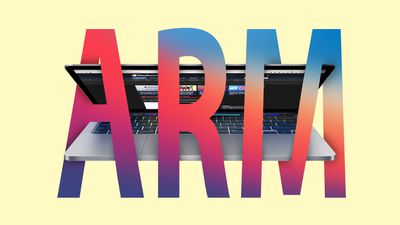
According to a newly posted job alert, spotted by Tom's Hardware, Apple is looking for an engineer that specializes in RISC-V, an open-source architecture instruction set that allows device makers to build their own chips without having to pay a license or royalty. Apple currently uses the Arm architecture in its products, and it pays the company a royalty fee to use its instruction set.
Apple's job posting description states that the engineer will implement "innovative RISC-V solutions and state of the art routines" to Apple's products. Specifically, Apple hopes prospective engineers will be able to work with the RISC-V instruction set, as well as have an understanding of Arm.
Tom's Hardware theorizes that if Apple were to adopt the open-source instruction set of RISC-V, it may save the company money because it wouldn't need to pay Arm a license fee for its instruction set.
Every Arm core requires Apple to pay a licensing fee to Arm, and since the number of cores for things like SSD controllers and smartwatches will only increase, so will Apple's payments to Arm. As such, replacing at least some Arm cores with RISC-V cores could save Apple millions of dollars in royalty payments every year...
The job listing is a confirmation that Apple is exploring the use of RISC-V, but whether the company decides to implement the open-source technology remains to be seen. Apple's reliance on Arm has increased in the past year as Apple is in the process of switching its Mac lineup to Arm-based processors rather than Intel.
Friday December 12, 2025 10:56 am PST by Joe Rossignol
Macworld's Filipe Espósito today revealed a handful of features that Apple is allegedly planning for iOS 26.4, iOS 27, and even iOS 28.
The report said the features are referenced within the code for a leaked internal build of iOS 26 that is not meant to be seen by the public. However, it appears that Espósito and/or his sources managed to gain access to it, providing us with a sneak peek...
Thursday December 11, 2025 8:49 am PST by Joe Rossignol
Apple seeded the second iOS 26.2 Release Candidate to developers earlier this week, meaning the update will be released to the general public very soon.
Apple confirmed iOS 26.2 would be released in December, but it did not provide a specific date. We expect the update to be released by early next week.
iOS 26.2 includes a handful of new features and changes on the iPhone, such as a new...
Friday December 12, 2025 10:10 am PST by Juli Clover
Apple today released iOS 26.2, the second major update to the iOS 26 operating system that came out in September, iOS 26.2 comes a little over a month after iOS 26.1 launched. iOS 26.2 is compatible with the iPhone 11 series and later, as well as the second-generation iPhone SE.
The new software can be downloaded on eligible iPhones over-the-air by going to Settings >...
Thursday December 11, 2025 11:28 am PST by Juli Clover
Apple today released new firmware designed for the AirPods Pro 3 and the prior-generation AirPods Pro 2. The AirPods Pro 3 firmware is 8B30, up from 8B25, while the AirPods Pro 2 firmware is 8B28, up from 8B21.
There's no word on what's include in the updated firmware, but the AirPods Pro 2 and AirPods Pro 3 are getting expanded support for Live Translation in the European Union in iOS...
Friday December 12, 2025 10:08 am PST by Juli Clover
Apple today released macOS Tahoe 26.2, the second major update to the macOS Tahoe operating system that came out in September. macOS Tahoe 26.2 comes five weeks after Apple released macOS Tahoe 26.1.
Mac users can download the macOS Tahoe update by using the Software Update section of System Settings.
macOS Tahoe 26.2 includes Edge Light, a feature that illuminates your face with soft...
Thursday December 11, 2025 10:31 am PST by Juli Clover
The AirTag 2 will include a handful of new features that will improve tracking capabilities, according to a new report from Macworld. The site says that it was able to access an internal build of iOS 26, which includes references to multiple unreleased products.
Here's what's supposedly coming:
An improved pairing process, though no details were provided. AirTag pairing is already...
Friday December 12, 2025 10:09 am PST by Juli Clover
Apple today released iPadOS 26.2, the second major update to the iPadOS 26 operating system released in September. iPadOS 26.2 comes a month after iPadOS 26.1.
The new software can be downloaded on eligible iPads over-the-air by going to Settings > General > Software Update.
iPadOS 26.2 continues with the multitasking improvements that were added with iPadOS 26.1. You can now drag and...
Friday December 12, 2025 11:11 am PST by Juli Clover
Apple today released iOS 26.2, iPadOS 26.2, and macOS 26.2, all of which introduce new features, bug fixes, and security improvements. Apple says that the updates address over 20 vulnerabilities, including two bugs that are known to have been actively exploited.
There are a pair of WebKit vulnerabilities that could allow maliciously crafted web content to execute code or cause memory...
Pretty much everyone has joined the RISC-V camp after the tech/trade war began, especially China. Western companies don't want to be limited in their potential customers. Alibaba, Loongson, Red Hat, even MIPS has gone RISC-V.
Even though the NVIDIA acquisition of ARM will probably never complete, Apple is smart to begin investing in RISC-V.
Alternatives, sure... but Apple plus open source? Yeah, right
What do you mean? Apple is heavily invested into open source, their platform is in fact built on open source initiatives. For example, virtually every modern browser today traces its codebase to WebKit, an open source browser engine developed by Apple. LLVM, one of the most used compiler frameworks, was built on Apples money.
RISC-V is nowhere close to being used in high-performance personal devices. It’s a great teaching platform and it has uses in low-end devices, but that’s about it. There is a lot of work to be done before it becomes a viable alternative to ARM64. But I could see Apple using it for secure coprocessors or something like that.
Also, Apple has an unlimited architecture license agreement with ARM. If they switch architectures again, it won’t be before 10-15 years.
Well, this was inevitable considering how much Apple hates Nvidia (who bought out ARM) over its graphics chip debacle while back. They do not want to pay Nvidia a single cent going forward and going with open source method will likely bring more chip innovation for the company.