

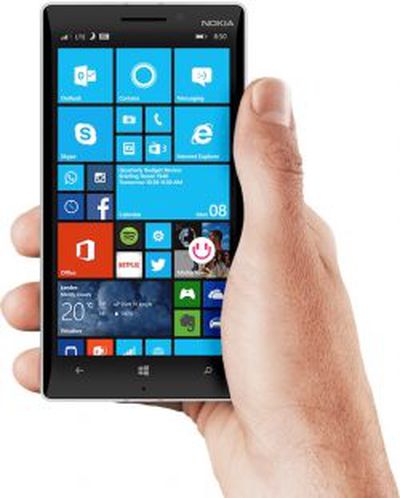
 Microsoft has publicly admitted for the first time that its Windows Phone is dead. In a series of tweets, Windows 10 chief Joe Belfiore said that the company is no longer developing new features or hardware for Windows 10 Mobile, with only bug fixes and security updates to come for existing users.
Belfiore explained that his team had tried "very hard" to incentivize app developers by paying them and writing apps for them, but the low volume of users meant it was no longer worth the investment in Windows Phone.
Microsoft officially ended support for Windows Phone back in July, but the software giant never owned up to the fact that the move was essentially the final nail in the coffin for its flagship mobile platform. Today's news that the Windows 10 Mobile hardware is no longer a focus for the company now puts that beyond doubt, and makes the possibility of a long-rumored Surface-branded phone seem further away than ever.
Of course we'll continue to support the platform.. bug fixes, security updates, etc. But building new features/hw aren't the focus. 😟 https://t.co/0CH9TZdIFu — Joe Belfiore (@joebelfiore) October 8, 2017
Windows Phone was released in 2010 and quickly became the world's third most popular mobile operating system, but the platform couldn't compete with iOS and Android, which accounted for a combined 99.6 percent market share earlier this year.
In another sign of the times, the New York Police Department recently confirmed it will begin transitioning from Windows Phones to iPhones for its 36,000 police officers in the fall.
In Belfiore's series of tweets, the corporate VP also revealed that he had switched away from Windows Phone to a rival mobile operating system, but didn't say which one.











Top Rated Comments
They should, and they will (slowly).
So true... and a two-opoly can get just as lazy as a monopoly. And right now the majority of smartphones are sold by Apple and Samsung.
A little history lesson... Microsoft was big in the smartphone business before Apple ever thought about making a smartphone. Poor leadership and lack of market vision allowed Apple and Google to take it from them. The big players were Microsoft (Windows CE -> Pocket PC -> Windows Mobile), Palm, Symbian, and RIM (Blackberry). What killed them was the notion of the App Store, not the iPhone itself. The iPhone brought nothing new, but the prospect of cheap and free apps by the thousands cause the developers to abandon their traditional space and/or get steamrolled by new developers.