Apple Ordered to Pay University of Wisconsin $234 Million in A7/A8 Patent Lawsuit - MacRumorsOpen MenuShow RoundupsShow Forums menuVisit ForumsOpen Sidebar
Skip to Content

Apple Ordered to Pay University of Wisconsin $234 Million in A7/A8 Patent Lawsuit

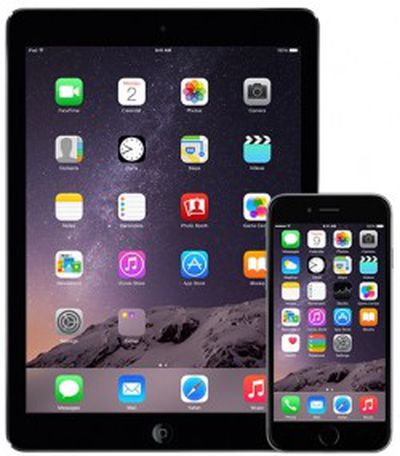
ipad_iphone_ios_8Apple has been ordered to pay the University of Wisconsin's intellectual property management arm $234 million in damages for infringing on one of its processor patents, reports Reuters.

Earlier this week, a jury ruled Apple had infringed on a patent owned by the Wisconsin Alumni Research Foundation (WARF) when it used patented technology in its A7, A8, and A8X processors included in the 2013 and 2014 iPhone and iPad lineup.

WARF had originally asked for damages as high as $862 million, but later lowered that request to around $400 million. Apple will be paying a little more than half of the requested amount with the $234 million award WARF received from the jury. The presiding judge ruled Apple had not willfully infringed on WARF's patent, so the damages award will stay at $234 million.

The patent in question, titled "Table based data speculation circuit for parallel processing computer," was originally granted in 1998 and covers a method for improving processor efficiency. It lists several current and former University of Wisconsin researchers as inventors.

The Wisconsin Alumni Research Foundation has also filed a second lawsuit against Apple for the same patent, accusing the company of using the technology in the A9 and A9X chips found in the iPhone 6s, 6s Plus, and iPad Pro.

For the first six months of 2015, Apple averaged a daily net profit of $134.7 million, which means the judgment will account for approximately 42 hours of profit. Apple has said it will appeal the ruling.


Popular Stories

imac video apple feature

Apple Released Yet Another New Product Today

Friday March 20, 2026 2:39 pm PDT by
Apple has unveiled a whopping nine new products so far this March, including an iPhone 17e, iPad Air models with the M4 chip, MacBook Air models with the M5 chip, MacBook Pro models with M5 Pro and M5 Max chips, the all-new MacBook Neo, an updated Studio Display, a higher-end Studio Display XDR, AirPods Max 2, and now the Nike Powerbeats Pro 2. iPhone 17e features the same overall design as...
iPhone 18 Pro Deep Red Feature

iPhone 18 Pro Launching Later This Year With These 12 New Features

Wednesday March 18, 2026 7:39 am PDT by
While the iPhone 18 Pro and iPhone 18 Pro Max are not expected to launch for another six months or so, there are already plenty of rumors about the devices. It was initially reported that the iPhone 18 Pro models would have fully under-screen Face ID, with only a front camera visible in the top-left corner of the screen. However, the latest rumors indicate that only one Face ID component...
ios 26 4 pastel

iOS 26.4: Top 10 New Features Coming to Your iPhone

Friday March 20, 2026 2:44 pm PDT by
iOS 26.4 isn't the major update with new Siri features that we hoped for, but there are some useful quality of life improvements, and a little bit of fun with an AI playlist generator and new emoji characters. Playlist Playground - Apple Music has a Playlist Playground option that lets you generate playlists from text-based descriptions. You can include moods, feelings, activities, or...

Top Rated Comments

136 months ago
Hopefully the University of Wisconsin accepts Apple Pay. :)


- Joe
Score: 16 Votes (Like | Disagree)
kas23 Avatar
136 months ago
This thread still needs the obligatory; University of Wisconsin = patent trolls.
Score: 11 Votes (Like | Disagree)
HiRez Avatar
136 months ago
Let me look under this couch cushion...oh yeah, here you go.
Score: 10 Votes (Like | Disagree)
kdarling Avatar
136 months ago
If it is true that Apple was not aware of the patent, this illustrates the big issue with the current laws. The law is meant to protect ideas from being stolen, but if the idea is independently arrived at, it shows that the idea was not novel to begin with.
In this case though, Apple was fully aware of the patent, because they referenced it in (ummm... let's see... searching the USPTO database ('http://patft.uspto.gov/netacgi/nph-Parser?Sect1=PTO2&Sect2=HITOFF&u=%2Fnetahtml%2FPTO%2Fsearch-adv.htm&r=0&f=S&l=50&d=PALL&RS=REF%2F5781752&Refine=Refine+Search&Query=ref%2F5781752+and+an%2Fapple')... ) wow at least 34 of their own patents.

The earliest cite I've seen so far is from 2007, so Apple knew about it long before the A7 was first used in 2013.

Bet the school itself sees NOTHING of this money.
That's a really bad bet. WARF was set up in 1925 specifically as a non-profit R&D organization that plows its patent revenues back into more research and into general grants to the university.

How does a publicly funded university hold a patent and it not be apart of the public domain?
WARF is separate from the university and funded by its own patents and projects.

whats the point of having a patient but not actively using it or licensing it?
WARF had been licensing this patent for years. Heck, their charter is to do research and license it.

According to their lawsuit, they approached Apple about licensing, Apple responded that they don't accept outside license offers and refused to negotiate, so WARF felt they had no other choice but to sue.
Score: 9 Votes (Like | Disagree)
busyscott Avatar
136 months ago
Ya, but you still have to live in Wisconsin so...
Score: 9 Votes (Like | Disagree)
136 months ago
If it is true that Apple was not aware of the patent, this illustrates the big issue with the current laws. The law is meant to protect ideas from being stolen, but if the idea is independently arrived at, it shows that the idea was not novel to begin with.
Score: 8 Votes (Like | Disagree)
Related Apple News: Opinion | Ipad | Culture | Politics | World News