Leaked Info on Third-Generation Thunderbolt Points to 40Gbps Transfer Speeds
Intel's third-generation Thunderbolt technology could see throughput increase to 40Gbps, double the current capacity of Thunderbolt 2, first introduced in Macs last fall, according to leaked information posted on a Chinese technology site [Google Translate].

The site says Intel's new Thunderbolt controller, code-named Alpine Ridge, will see power consumption reduced by 50 percent, support for PCIe generation-3, and charging capacities of up to 100 watts. Backward compatibility will be maintained through the use of connector adapters, but the new Thunderbolt connector itself will be reduced in size.
Last April, Intel first announced Thunderbolt 2 in April before seeing it move to the Mac in October. There is no indication of when the third-generation of Thunderbolt could make its way to consumers.
Popular Stories
Apple has unveiled a whopping nine new products so far this March, including an iPhone 17e, iPad Air models with the M4 chip, MacBook Air models with the M5 chip, MacBook Pro models with M5 Pro and M5 Max chips, the all-new MacBook Neo, an updated Studio Display, a higher-end Studio Display XDR, AirPods Max 2, and now the Nike Powerbeats Pro 2.
iPhone 17e features the same overall design as...
iOS 26.4 isn't the major update with new Siri features that we hoped for, but there are some useful quality of life improvements, and a little bit of fun with an AI playlist generator and new emoji characters.
Playlist Playground - Apple Music has a Playlist Playground option that lets you generate playlists from text-based descriptions. You can include moods, feelings, activities, or...
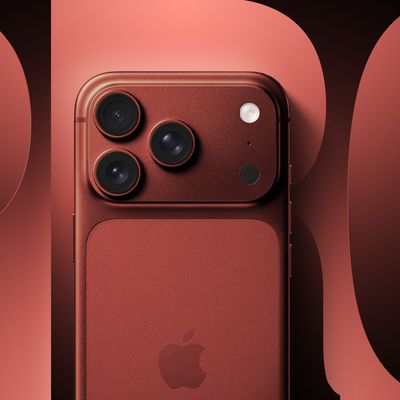
While the iPhone 18 Pro and iPhone 18 Pro Max are not expected to launch for another six months or so, there are already plenty of rumors about the devices.
It was initially reported that the iPhone 18 Pro models would have fully under-screen Face ID, with only a front camera visible in the top-left corner of the screen. However, the latest rumors indicate that only one Face ID component...